
Rob Reiner was more than just an actor. Throughout his career, he successfully transitioned from acting to directing, producing, writing, and business ownership.
According to the source provided, Rob Reiner had an estimated net worth of $200 million at the time of his death in December 2025.
What makes Reiner’s financial story especially interesting is how he built that fortune. His wealth did not depend only on movies. He gradually created income through film and television, production ownership, real estate, royalties, and investments.
From a business perspective, Reiner’s career shows how moving from being a paid performer to having ownership in successful entertainment businesses can dramatically change the financial picture.
Rob Reiner Net Worth
| Category | Details |
| Estimated Net Worth | $200 million |
| Primary Industry | Entertainment |
| Known For | Actor, director, producer and writer |
| Breakthrough Role | Michael “Meathead” Stivic in All in the Family |
| Major Business Venture | Castle Rock Entertainment |
| Major Productions Associated With | Seinfeld, The Shawshank Redemption |
| Real Estate | Properties in Malibu, Brentwood and Beverly Hills |
| Career Focus | Acting, directing, producing, business and investments |
How Did Rob Reiner Build His Net Worth?
Reiner’s wealth was built over several decades, and his career is a good example of financial diversification in the entertainment industry.
His early income came primarily from acting and television. But as his reputation grew, he began taking on more responsibility behind the camera.
That change was important.
Instead of relying solely on acting fees, Reiner began earning income through directing, producing, writing, and eventually business ownership. His involvement with Castle Rock Entertainment exposed him to the financial upside of successful film and television properties.
His major sources of income come from:
- Acting and television income
- Film directing
- Producing and writing
- Ownership in Castle Rock Entertainment
- Film and television royalties
- Real estate investments
- Rental income
- Long-term entertainment rights and licensing
This combination helped turn a successful Hollywood career into a substantial personal fortune.
Acting Was the Beginning, Not the Whole Business
Reiner’s first major financial breakthrough came through All in the Family.
He played Michael “Meathead” Stivic, the liberal son-in-law of Archie Bunker. The role made him nationally recognizable and earned him two Primetime Emmy Awards.
For many actors, a successful television role can become the peak of their career. Reiner took a different route.
He used the visibility and credibility he gained from acting to move into directing and producing.
That career transition ultimately became much more important to his financial story.
Rob Reiner’s Move Into Directing
Reiner made his directorial debut with This Is Spinal Tap in 1984.
The film eventually became a cult classic, but it was only the beginning of a highly successful directing career.
He followed it with films such as:
- Stand by Me
- The Princess Bride
- When Harry Met Sally…
- Misery
- A Few Good Men
- The American President
- The Bucket List
- Flipped
These movies established Reiner as a director who could work across comedy, romance, drama, suspense, and other genres.
From a business perspective, directing gave him access to a different level of Hollywood income and opportunity. Successful directors can participate in projects at a much deeper level than performers who simply receive an acting fee.
More importantly, Reiner eventually combined his creative work with ownership.
Castle Rock Entertainment: The Business Move That Changed Everything
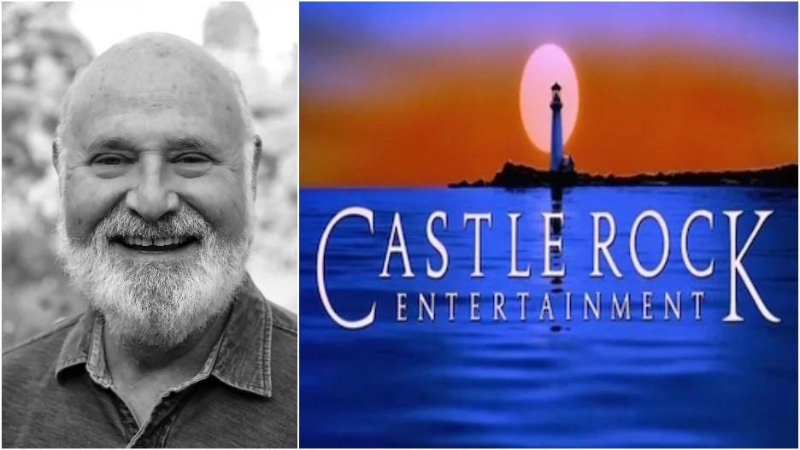
One of the biggest financial decisions of Reiner’s career was co-founding Castle Rock Entertainment in 1987.
This was more than another production credit. It gave Reiner an ownership position in an entertainment company.
That distinction matters.
An actor typically earns money for performing in a project. A company owner can potentially benefit from the success of multiple projects produced under the business.
Castle Rock went on to become associated with major entertainment properties, most famously Seinfeld.
The sitcom became one of television’s most valuable long-running properties, generating substantial revenue through syndication and other distribution channels.
According to the source, Castle Rock was sold to Turner Broadcasting in 1993 for approximately $1 billion.
Reiner’s equity stake in the company was therefore a major part of his financial success.
Why Castle Rock Was So Important to Reiner’s Wealth
The business lesson here is fairly straightforward: ownership can create wealth at a different scale than income alone.
Reiner wasn’t simply being paid to direct a movie. Through Castle Rock, he had a stake in a company that produced valuable entertainment properties.
That meant the success of other projects could also contribute to the business’s value.
For anyone looking at Rob Reiner’s net worth from a business perspective, Castle Rock may be one of the most important pieces of the puzzle.
Real Estate Was Another Major Part of His Wealth
Reiner also built wealth through real estate.
His reported portfolio included properties in Malibu, Brentwood, and Beverly Hills, areas where property values have historically been among the highest in Southern California.
Real estate served two purposes in his financial strategy: wealth preservation and potential appreciation.
Malibu Colony Property
Reiner purchased an oceanfront home in Malibu Colony in the 1990s.
The source estimates that the property could be worth between $15 million and $20 million based on comparable properties.
It was also reportedly rented at rates ranging from approximately $100,000 to $150,000 per month during certain periods.
That makes the property interesting from a business perspective because it was not simply an expensive home. It could also function as an income-generating asset.
Brentwood Estate
Reiner also owned a gated estate in Brentwood.
The property was reportedly purchased for approximately $4.75 million in the early 1990s. The source places its current estimated value at more than $10 million, with another estimate at more than $20 million.
The difference between the original purchase price and the later estimated value illustrates the potential for long-term wealth-building with premium real estate.
Beverly Hills Property
Reiner also purchased a Beverly Hills property in 1988 for around $777,500.
It was later sold for approximately $1.94 million.
While this is only one transaction, it demonstrates another way Reiner diversified his wealth outside entertainment.
Rob Reiner’s Income Was More Than Salary
When people search for Rob Reiner’s net worth, they often want to know how much he earned from movies.
But focusing only on salary misses the bigger picture.
His financial success was built around multiple forms of income and ownership:
- Entertainment income
- Business ownership
- Royalties and rights
- Real estate appreciation
- Rental income
Rob Reiner and the Spinal Tap Royalties Dispute
Reiner’s career also included a significant dispute over royalties from This Is Spinal Tap.
In 2016, Reiner and fellow creators Michael McKean, Christopher Guest, and Harry Shearer became involved in legal action regarding the accounting and payment of revenue from the film.
The creators argued that they had not received an appropriate share of the profits generated by the movie’s continued success in areas such as home video, music, and merchandising.
The dispute was eventually settled, although the financial terms were not publicly disclosed in the source.
The episode is worth noting from a business perspective because it highlights how complicated entertainment rights can become.
A film may appear to be a finished product, but its commercial life can continue for decades through licensing, merchandise, music, streaming, and other revenue streams.
What Business Lessons Can Be Taken From Rob Reiner’s Career?
We can learn various things from Rob Reiner’s financial journey
1. Build More Than One Income Stream
Reiner didn’t remain dependent on acting. He expanded into directing, producing, writing, business ownership, and real estate.
That reduced his reliance on any single source of income.
2. Move From Income to Ownership
Perhaps the biggest lesson is the importance of ownership.
A salary pays you for your work. Ownership can allow you to participate in the growth of an asset or company.
Reiner’s involvement with Castle Rock is a strong example of this principle.
3. Create Assets That Can Keep Earning
A successful film or television series can continue generating revenue long after its release.
4. Diversify Into Real Estate
Real estate became another part of Reiner’s financial portfolio.
His properties provided a combination of potential appreciation, wealth preservation, and, in the case of his Malibu property, rental income.
5. Business Opportunities
Reiner’s reputation gave him lots of business opportunities beyond acting.
His success on television helped establish credibility, which he later used to build a directing career and eventually participate in larger production and business ventures.
Rob Reiner’s Legacy Beyond His Net Worth
Money is only one part of Rob Reiner’s legacy.
He became a familiar television actor before successfully reinventing himself as a director, producer, and entrepreneur. His films remain widely recognized, while his connection to Castle Rock placed him on the business side of some major entertainment properties.
His career demonstrates that long-term financial success doesn’t necessarily come from one massive payday.
Sometimes it comes from making smart career transitions, taking ownership stakes, investing in assets, and allowing successful work to generate value over many years.
Conclusion
Rob Reiner’s estimated $200 million net worth shows only his success, but it’s only part of the story. The more interesting part is how he built it. He started with acting success, then moved into directing, later into production, and then co-founded Castle Rock Entertainment, benefited from valuable entertainment properties, and built a substantial real estate portfolio.
From a business perspective, Reiner’s career clearly demonstrates the power of diversifying income, taking ownership, and investing in assets that retain value over time.
FAQ
What was Rob Reiner’s net worth?
According to the source provided, Rob Reiner’s estimated net worth was around $200 million at the time of his death in December 2025.
How did Rob Reiner make most of his money?
His wealth came from several sources, including acting, directing, producing, writing, business ownership, royalties, and real estate.
Did Rob Reiner own Castle Rock Entertainment?
Yes. Reiner co-founded Castle Rock Entertainment in 1987 and held an ownership stake in the company.
How much was Castle Rock Entertainment worth when it was sold?
The source reports that Castle Rock was sold to Turner Broadcasting for approximately $1 billion in 1993.
Did Seinfeld contribute to Rob Reiner’s wealth?
Reiner’s involvement with Castle Rock connected him to the company behind Seinfeld. The sitcom became an exceptionally valuable television property, particularly through syndication and continued distribution.
What was Rob Reiner’s most successful movie?
Reiner directed several major films, including The Princess Bride, When Harry Met Sally…, Misery, and A Few Good Men. The source does not identify one specific film as his single biggest financial success.
Did Rob Reiner invest in real estate?
Yes. His reported real estate holdings included properties in Malibu, Brentwood, and Beverly Hills.
How much was Rob Reiner’s Malibu property worth?
The source estimates the Malibu Colony property at approximately $15 million to $20 million, although property valuations are estimates and can change.
Did Rob Reiner earn money from rental properties?
According to the source, his Malibu property was reportedly rented for approximately $100,000 to $150,000 per month during peak periods.
Was Rob Reiner’s wealth only from Hollywood salaries?
No. His financial profile extended well beyond salaries. Business ownership, production interests, royalties, real estate, and rental income were also important parts of the picture.
What is the biggest business lesson from Rob Reiner’s career?
The biggest lesson is diversification. Reiner moved from acting into directing, producing, company ownership, and real estate. That allowed him to build wealth through both income and assets.