
What does it truly mean to be a great leader? History offers us a rich gallery of answers — men and women who shaped civilisations, ended oppression, inspired revolutions, and changed the course of humanity. Whether you are a student, a professional, or simply someone who aspires to lead with purpose, studying the greatest leaders in history is one of the most powerful forms of education available.
This article profiles ten of the most celebrated world leaders of all time, identifies the core leadership qualities they shared, and provides actionable steps you can take to apply those lessons in your own career and life. We also explore trending related topics — from servant leadership to emotional intelligence in leadership — that are shaping the conversation around great leadership in 2026.
Table of Contents
What Makes a Great Leader?
The greatest leaders in world history did not all share the same personality or style. Some were warriors; others were diplomats. Some commanded armies; others led peaceful revolutions. Yet, when historians and leadership scholars examine their legacies, certain core qualities emerge time and again.
Integrity & Values
Leaders who operate from a clear moral compass earn deeper trust and longer-lasting loyalty.
Vision & Strategy
The ability to see where others cannot — and chart a course toward a compelling future.
Communication
Great leaders articulate ideas in ways that move, motivate, and mobilise the people around them.
Resilience
They fall, they fail, and they rise — modelling for others how to face adversity without surrender.
Empathy
Understanding and genuinely caring about the people they lead is the cornerstone of emotional intelligence.
Decisive Action
When it matters most, great leaders act — gathering data, consulting others, and committing fully.
Modern leadership research reinforces that these qualities are not just historical curiosities. According to Gallup, teams led by emotionally intelligent managers are significantly less likely to leave their organisations — highlighting that the same empathy embodied by Gandhi or Lincoln remains a competitive advantage in today’s workplace.
Read Also- Greatest Entrepreneurs in U.S. History: Lessons That Still Matter Today
The 10 Greatest Leaders in History
Ranked chronologically — each one a masterclass in a different dimension of leadership.
1.Hatshepsut — The Female Pharaoh of Egypt
c. 1507–1458 B.C.E. | Ancient Egypt
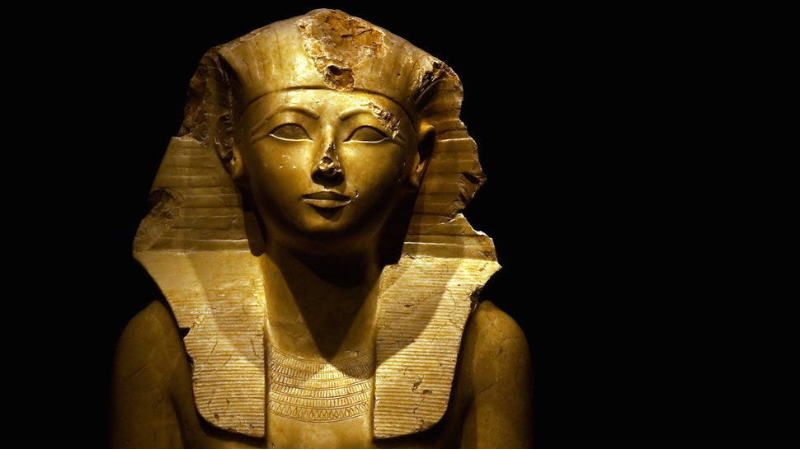
In a world that relegated women to the margins of power, Hatshepsut seized the throne and became one of ancient Egypt’s most prolific pharaohs. She orchestrated ambitious building programmes — including the magnificent Karnak temple complex — and shifted Egypt’s economy toward trade-based diplomacy rather than warfare. Her reign represented a rare era of sustained peace and prosperity.
What makes Hatshepsut particularly remarkable is not just what she built, but how she led: with confidence in the face of a society that denied her legitimacy at every turn. She dressed in the regalia of a male pharaoh, claimed divine lineage, and governed effectively for over two decades.
Strategic | Vision | Confidence | Economic | Leadership | Resilience
Leadership Lesson: Challenge the structures that say you don’t belong. Legitimacy is often built, not inherited.
2.Julius Caesar — Dictator of Rome
100–44 B.C.E. | Ancient Rome
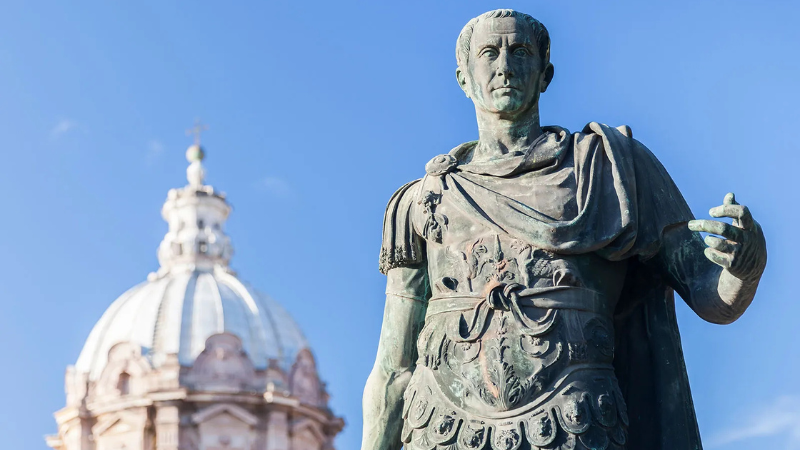
Julius Caesar is widely considered one of the greatest military and political strategists who ever lived. Beginning as a military commander in Gaul, Caesar demonstrated an extraordinary ability to read the battlefield, adapt strategies in real time, and inspire fierce loyalty in his soldiers. His political manoeuvring transformed Rome from a dysfunctional republic into the most powerful empire in the ancient world.
His genius lay in his ability to unite military excellence with political intelligence. He reformed the Roman calendar, reduced corruption, and implemented sweeping social reforms — all while maintaining the kind of commanding presence that made men willing to cross the Rubicon.
Strategic Thinking | Decisiveness |Inspiring | Loyalty | Political | Intelligence
Leadership Lesson: Great leaders combine multiple domains of mastery. Don’t just be great at one thing — understand how your strengths intersect.
3. Cleopatra VII — The Last Ruler of the Ptolemaic Kingdom
69–30 B.C.E. | Ptolemaic Egypt
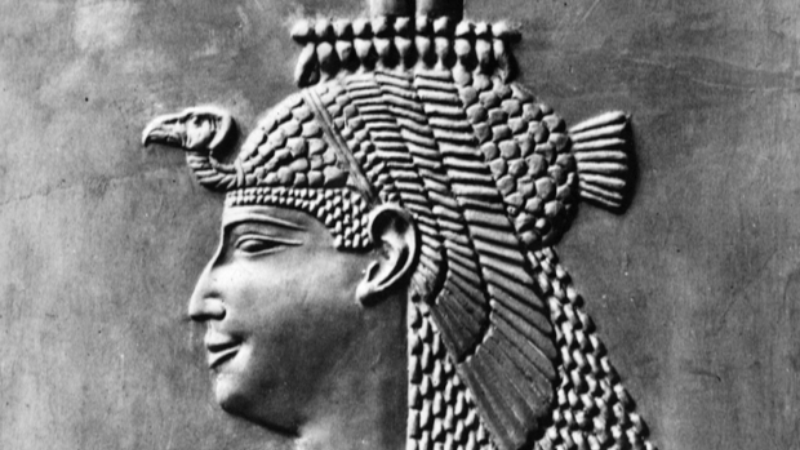
History has often reduced Cleopatra to a caricature — a seductress whose personal relationships cost Egypt its sovereignty. The reality is far more impressive. Cleopatra was a polyglot who spoke nine languages, the first Ptolemaic ruler to learn Egyptian, and a supremely skilled diplomat who navigated the treacherous waters of Roman geopolitics to extend Egyptian independence by decades.
Her leadership was characterised by adaptability and intelligence. When military options failed, she deployed diplomacy. When alliances shifted, she recalibrated. She represents what modern scholars call adaptive leadership — the ability to adjust one’s approach as circumstances evolve.
Diplomatic | Intelligence | Adaptability | Communication | Cultural Intelligence
Leadership Lesson: Your most powerful tool is often not force — it is understanding. Learn the languages (literal and figurative) of those you need to influence.
4. Empress Wu Zetian — The Only Female Emperor of China
624–705 C.E. | Tang Dynasty, China
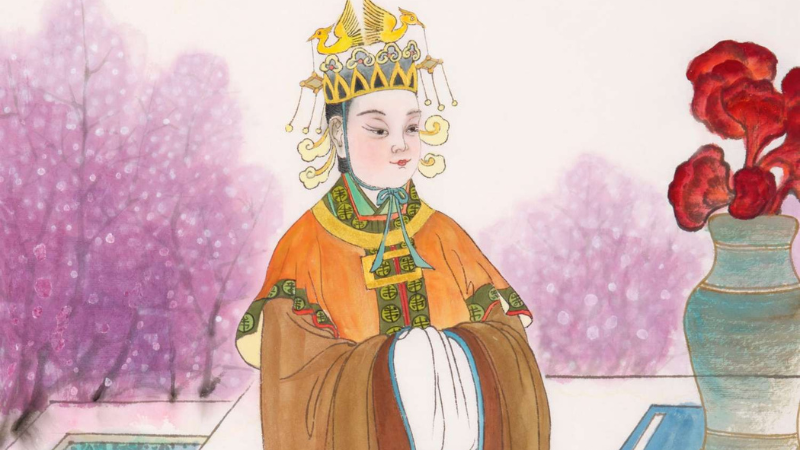
Wu Zetian is one of the most extraordinary political figures in world history — the only woman to ever hold the title of Emperor of China. She presided over the Tang Dynasty’s golden age, expanding the empire’s borders, reforming the civil service examination to base advancement on merit rather than birth, and fostering a cultural renaissance that is still studied today.
Dismissed for centuries as ruthless and power-hungry, modern historians argue that her reputation was largely the invention of male scholars threatened by female power. Her governance was characterised by pragmatism, meritocracy, and a genuine concern for the welfare of the peasantry.
Meritocracy | Political | Acumen | Institutional | Reform | Pragmatism
Leadership Lesson: Build systems that identify and reward talent regardless of background. Meritocracy is both an ethical and a strategic imperative.
5.Queen Elizabeth I — The Virgin Queen
1533–1603 | Tudor England
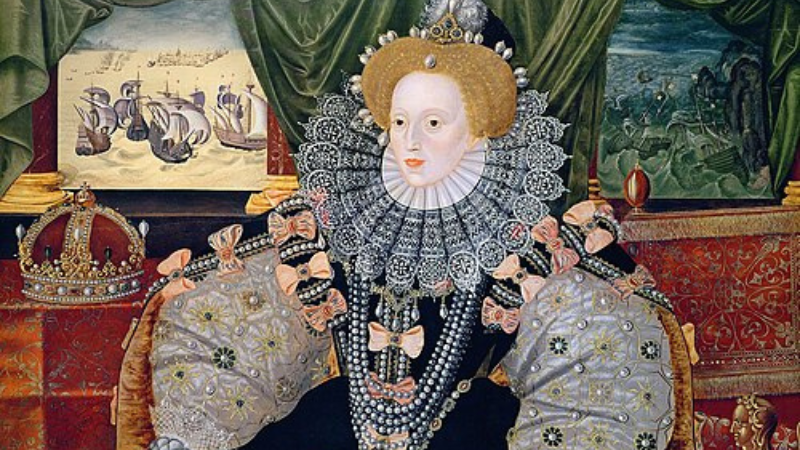
Elizabeth I inherited a fractured kingdom torn apart by religious conflict and political uncertainty — and transformed it into one of Europe’s dominant powers. The Elizabethan Era is celebrated as a golden age of English literature, exploration, and commerce. Elizabeth defeated the Spanish Armada, oversaw the globe-circling voyages of Sir Francis Drake, and nurtured the genius of Shakespeare.
Her most remarkable quality was her ability to project unwavering strength while exercising careful, pragmatic judgment behind the scenes. Her famous declaration — “I have the heart and stomach of a king” — encapsulates her approach: she refused to let gender define the limits of her authority.
Courage | Shrewdness | National Vision | Crisis Leadership
Leadership Lesson: Project strength even when you feel uncertain. Confidence is contagious — your team’s morale often reflects the energy you bring into the room.
6. Napoleon Bonaparte — Emperor of France
1769–1821 | Post-Revolutionary France
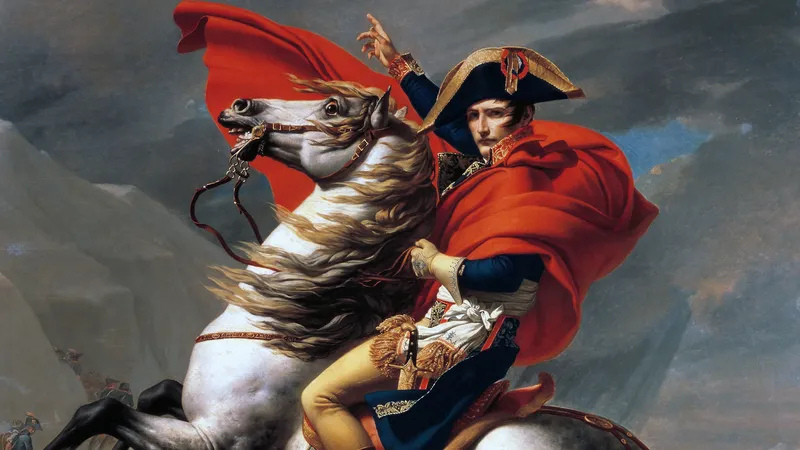
Napoleon Bonaparte rose from minor Corsican nobility to become the ruler of the most powerful empire in Europe — a trajectory made possible by a combination of military genius, relentless work ethic, and an almost supernatural ability to inspire devotion in his soldiers. He modernised France through the Napoleonic Code, a legal framework still influencing civil law systems across the world today.
Napoleon’s story is also a cautionary tale: his inability to recognise his own limits — most catastrophically in the Russian campaign — led to his downfall. For leaders, he represents both the heights of what strategic brilliance can achieve and the dangers of unchecked ambition.
Military Strategy | Inspiring Vision | Legal Reform | Cautionary Ambition
Leadership Lesson: Know your limits. The same drive that propels you to greatness can become your undoing if left unchecked by self-awareness.
7. Abraham Lincoln — 16th President of the United States
1809–1865 | United States of America
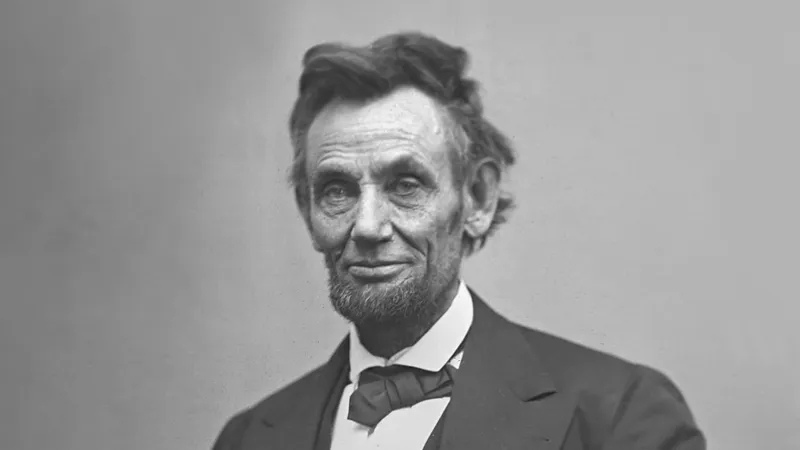
Elected to lead a nation sliding into civil war, Abraham Lincoln guided the United States through its greatest existential crisis with a rare combination of humility, moral clarity, and political intelligence. The son of a frontier farmer with very little formal education, Lincoln is proof that great leadership is not about credentials — it is about character.
His issuance of the Emancipation Proclamation in 1863 was one of the most consequential acts of leadership in modern history, striking at the moral heart of the Confederacy and redefining the war’s purpose. Lincoln’s quiet, self-deprecating style masked a razor-sharp strategic mind and an unshakeable commitment to the preservation of democratic government.
“Give me six hours to chop down a tree and I will spend the first four sharpening the axe.”— Abraham Lincoln
Moral CourageHumilityStakeholder ManagementCrisis Communication
Leadership Lesson: Preparation is leadership. Lincoln’s “axe-sharpening” philosophy reminds us that thoughtful preparation is never wasted time.
8. Mahatma Gandhi — Father of the Indian Nation
1869–1948 | British India
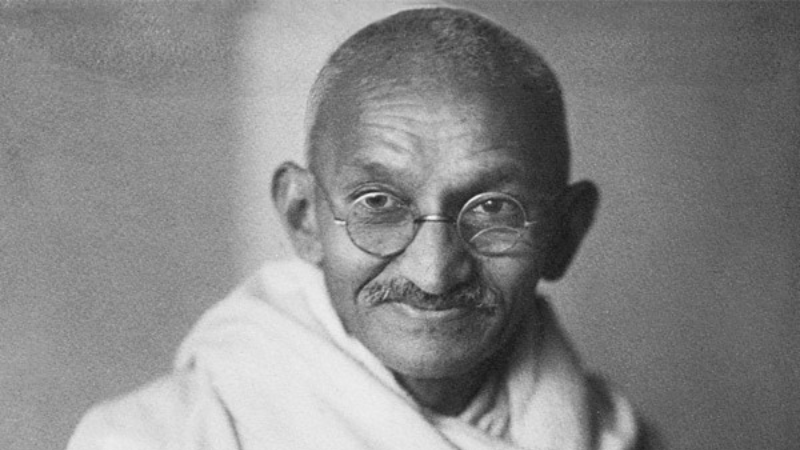
Gandhi transformed what it means to lead by proving that moral authority can be more powerful than military force. Beginning his career as a lawyer in South Africa — where he experienced first-hand the brutality of racial segregation — Gandhi developed the philosophy of satyagraha (truth-force), a form of nonviolent resistance that would inspire movements from the American Civil Rights Movement to the fall of apartheid in South Africa.
Gandhi led by example in the most literal sense. He fasted, marched, and sat in jail alongside the people he represented. His leadership demonstrated that authenticity — the alignment between what you say and how you live — is one of the most potent forces available to any leader.
Servant | Leadership | Nonviolent | Resistance |Authenticity | Moral Authority
Leadership Lesson: Be the change. People follow leaders who embody their values, not just those who proclaim them.
9. Winston Churchill — Prime Minister of the United Kingdom
1874–1965 | United Kingdom
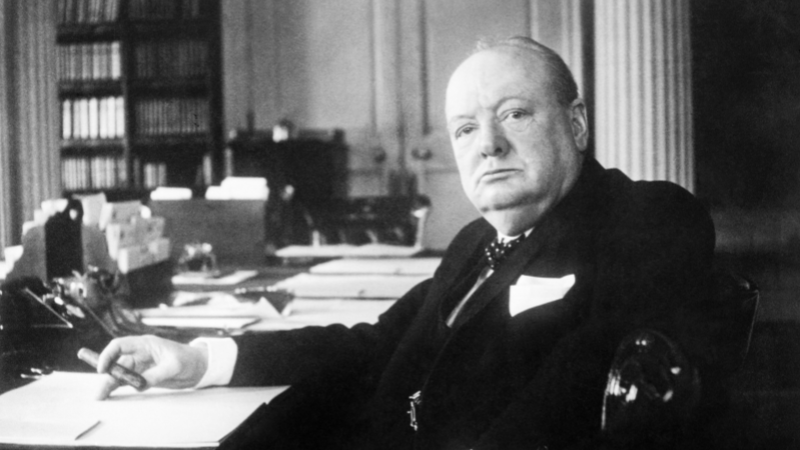
When Winston Churchill became Prime Minister in May 1940, Nazi forces were sweeping across Western Europe and Britain stood nearly alone. What followed is one of the most remarkable demonstrations of leadership under pressure in modern history. Through the sheer force of his oratory, his strategic tenacity, and his refusal to consider defeat, Churchill galvanised a nation and held the line until Allied victory became possible.
Churchill’s genius was communicative. He spent up to thirty hours memorising and rehearsing major speeches. His words did not merely inform — they transformed. In an era before social media, his voice on the radio became the sound of British resistance. Churchill also battled severe depression throughout his life, making his public resilience all the more extraordinary.
Oratory | Strategic | Resilience | Crisis Leadership | Work Ethic
Leadership Lesson: Words matter — invest in communication. Your ability to articulate a vision is inseparable from your ability to lead people toward it.
10. Martin Luther King Jr. — Leader of the American Civil Rights Movement
1929–1968 | United States of America
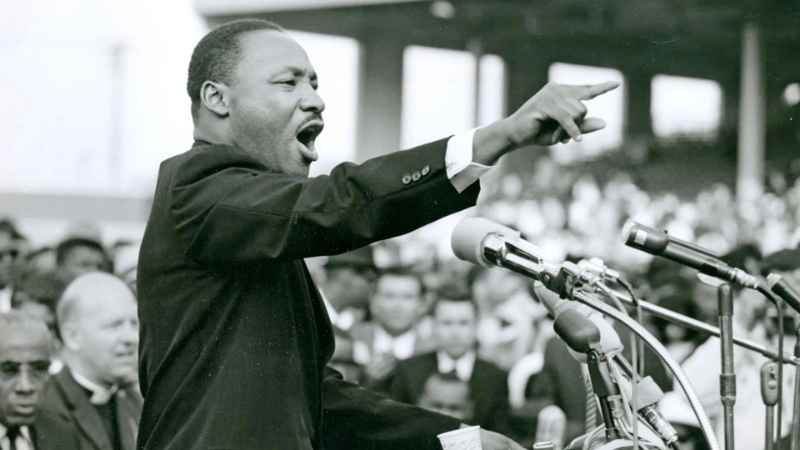
Martin Luther King Jr. became the youngest recipient of the Nobel Peace Prize in 1964 — a recognition of his transformational leadership of the American Civil Rights Movement. Through a masterful blend of charisma, moral clarity, strategic coalition-building, and nonviolent direct action, King dismantled the legal architecture of racial segregation in the United States.
King’s genius was his ability to hold multiple leadership styles simultaneously: he was a transformational visionary, a servant leader who shared the risk of imprisonment with those he led, and a charismatic communicator capable of moving millions. His “I Have a Dream” speech remains perhaps the single greatest piece of leadership communication in American history.
Transformational Leadership | Coalition Building | Charisma | Moral Vision
Leadership Lesson: A dream worth articulating is a dream worth organising around. Vision without structure is poetry; structure without vision is bureaucracy. You need both.
How to Apply These Leadership Skills to Your Career
Studying the greatest leaders in history is not merely an academic exercise. Each of the ten leaders above modelled competencies that remain directly applicable in boardrooms, classrooms, and communities today. Here is how to begin putting those lessons into practice.
- Conduct an Honest Self-AssessmentBefore you can lead others, you must understand yourself. Identify your natural strengths (Hatshepsut’s confidence? Lincoln’s empathy?) and the areas where you default to avoidance. Use structured self-assessments, seek honest feedback from mentors, and treat the results as data rather than verdict.
- Develop a Clear, Communicable VisionEvery leader on this list could articulate where they were going and why it mattered. Practise distilling your professional or organisational vision into a single, compelling paragraph. If you cannot summarise it clearly, you cannot communicate it powerfully.
- Build a Team That Complements Your StrengthsNapoleon had Marshal Berthier; Churchill had a team of advisors he trusted and challenged in equal measure. Great leaders do not lead alone — they curate teams whose strengths fill their gaps. Prioritise diverse perspectives over like-minded agreement.
- Practise Leading Through AdversityResilience is not an innate trait — it is a skill built through deliberate practice. The next time a project fails or a relationship fractures, resist the urge to minimise or blame. Acknowledge, learn, and model for your team how leaders respond to setbacks.
- Invest Relentlessly in CommunicationChurchill memorised speeches for thirty hours. MLK rehearsed sermons and addresses for years before his most famous moments. Treat your communication skills as a professional asset requiring constant investment — in writing, speaking, and active listening.
- Pursue Formal and Informal Leadership EducationAll the leaders above were voracious learners — Caesar studied Greek military philosophy; Gandhi read Thoreau and Tolstoy; Lincoln educated himself by candlelight. Today, formal programmes in organisational leadership, MBA courses, and executive education offer structured pathways to deepen your leadership capability.
Honourable Mentions: Other Candidates for the Greatest Leaders of All Time
Any list of the greatest world leaders is necessarily selective. Several figures command serious consideration and are regularly cited in trending searches on this topic:
- Alexander the Great (356–323 B.C.E.) — Widely regarded as the greatest military leader in history, he built the largest empire of the ancient world by age 33, remaining undefeated in battle.
- Nelson Mandela (1918–2013) — His 27 years of imprisonment followed by a presidency defined by reconciliation rather than revenge make him one of the most morally admired leaders of the 20th century.
- Franklin D. Roosevelt (1882–1945) — Led the United States through both the Great Depression and World War II, redefining the relationship between government and citizens through the New Deal.
- George Washington (1732–1799) — His voluntary surrender of power after two terms as president set a democratic precedent that shaped the modern world.
- Mother Teresa (1910–1997) — Her compassionate servant leadership in the slums of Calcutta models a form of leadership that operates entirely outside traditional power structures.
- Malala Yousafzai (b. 1997) — The youngest Nobel Peace Prize laureate represents a new generation of leaders defined by moral courage in the face of mortal threat.
Frequently Asked Questions
1.Who is considered the greatest leader in history?
There is no single consensus answer, as “greatness” depends on the criteria applied. In terms of moral impact, Mahatma Gandhi and Martin Luther King Jr. are consistently ranked highest. For military genius, Alexander the Great and Julius Caesar are perennial favourites. For transformative nation-building, Abraham Lincoln and Nelson Mandela stand out. Most historians point to those who combined vision, integrity, and lasting positive impact as the truest candidates for the title.
2.What qualities do the greatest leaders in history share?
Across different eras and cultures, history’s greatest leaders consistently demonstrated: a clear and compelling vision, integrity and moral consistency, the ability to communicate powerfully, resilience in the face of adversity, empathy for the people they led, and a willingness to make difficult decisions under pressure. Many also displayed extraordinary work ethic and a commitment to continuous learning.
3.Who was the greatest female leader in history?
Several women have left extraordinary marks on history. Hatshepsut of ancient Egypt presided over two decades of peace and prosperity. Cleopatra VII demonstrated sophisticated diplomatic and intellectual leadership. Empress Wu Zetian was the only woman to rule China in her own name. Queen Elizabeth I transformed England into a major world power. Each broke through monumental gender barriers to reshape their societies.
4.How can I develop leadership skills inspired by historical leaders?
Start with self-assessment to understand your natural strengths and blind spots. Develop a clear personal or professional vision. Build diverse teams. Invest heavily in communication skills — both speaking and writing. Practise resilience by intentionally taking on challenges. Seek mentorship and pursue formal leadership education, such as organisational leadership programmes, MBAs, or executive development courses.
5.What is servant leadership and which historical leaders demonstrated it?
Servant leadership is a philosophy in which the primary goal of a leader is to serve their followers — prioritising their growth, wellbeing, and success over personal power or gain. Mahatma Gandhi is perhaps the most celebrated historical example, having marched, fasted, and gone to prison alongside those he led. Martin Luther King Jr. similarly placed himself in mortal danger for the movement he led. Mother Teresa is another profound example of servant leadership in practice.
Ready to Become the Leader History Remembers?
The greatest leaders in history were lifelong learners. Whether you are building a team, launching a career, or navigating a crisis — the skills that defined Cleopatra, Lincoln, and Gandhi are the same skills that define great leaders today.