
In Europe, if you want to start a small business? You could find it beneficial to establish your business in Malta. People can easily begin on this Mediterranean island. It provides a great location, a climate that is conducive to business, and a simple setup procedure.
From choosing your company name to registering with the Malta Business Registry, in this article we will walk you through the process in 2026. Let’s examine how to turn your business idea into a reality in Malta.
Why Consider Starting a Business in Malta?
Malta is a fantastic location for business owners. You may access numerous international markets from this country because it is situated between Europe, Africa, and Asia. Malta is a member of the EU. This provides you with a secure and reliable location to operate your company. There is a lot of foreign direct investment in this area as a result.
Through a variety of initiatives, the Maltese government helps start-up companies. Malta has a robust financial services sector as well. Additionally, the nation maintains a positive outlook on business. All of this contributes to the success of your company. Let’s examine these positive aspects in more detail below.
Strategic Location and Growing Economy
Malta is a member of the EU. Any foreign business that establishes itself in Malta will have easy access to a sizable market. Being a business owner in the EU also means that you operate within a robust and secure financial system. For every new company, this is a huge advantage.
Pro-Business Government Policies

Malta’s government aims to facilitate the establishment and operation of businesses. It has established many policies and initiatives to support entrepreneurs and generate fresh revenue for the nation. There are organisations like Malta Enterprise that support business innovation and industry. They also provide excellent financial assistance and exclusive offers. This plan helps you get off to a good start and greatly simplifies the company creation process.
The government also provides grants and loans at low rates; Additionally, some startups are eligible for awards up to €200,000.
Access to EU Markets and Trade Opportunities
Since 2004, Malta has been a member of the EU. As a result, companies are able to freely trade in all EU markets. Your business is not subject to trade restrictions or additional taxes while selling goods and services in 27 different countries. This offers you a variety of growth opportunities that you might not find elsewhere.
How to Start a Business in Malta
In Malta, launching a firm is a straightforward, step-by-step procedure. The first step is to choose a distinctive business name. The next step is to decide what kind of business you wish to launch. After that, obtain all the paperwork required for the company’s registration.
1. Choose the Right Business Structure
Choose the right organisational structure which you are looking for in your company.
One choice is a limited liability company. You will want an article of association and a memorandum if you decide to take this route.
Another option is a partnership, which calls for a partnership document.
Your choice of structure has an impact on how the business is set up, how ownership is documented, and what obligations you have as an owner.
Taking your time is preferable to choosing a structure just because it looks familiar.
2. Pick a Company Name
After deciding on the structure, pick a company name that satisfies Malta’s regulations and may be registered.
3. Get Your Documents Ready
One of the important elements of the setup procedure is the documentation. The articles of association and memorandum, as well as member information, are often required for a limited liability company.
The following are listed as essential criteria in the source material:
- Evidence of the deposit of the necessary share capital
- Information on the company secretary, shareholders, and directors
- Evidence of the Malta-registered office
- Application filled out with the tax identification number.
Register Your Company in Malta
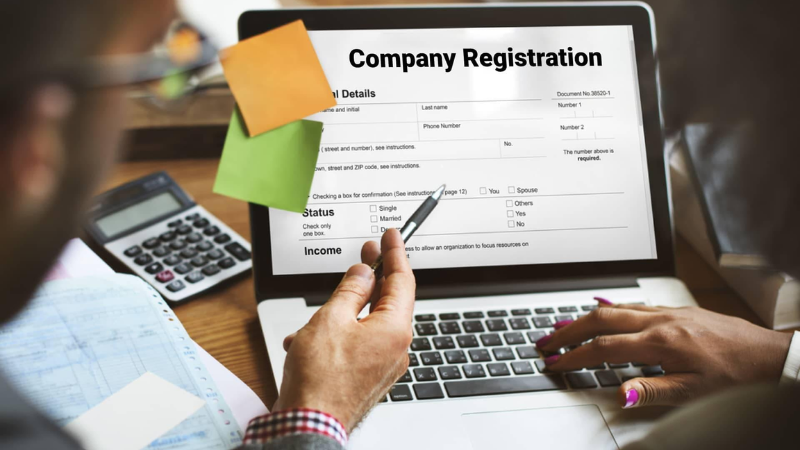
The business can register with the Malta Business Registry, which acts as the Registrar of Companies, once the necessary paperwork is prepared.
The necessary corporate documents are included with the registration application, and there is a registration cost. The sum is determined by the share capital of the company.
The business is given a Certificate of Registration and a registration number when the Registrar reviews and approves the documentation.
According to the source material, registration typically takes one to two weeks.
That is not the end of the process for some businesses, though. Depending on what your company does, you might require additional licenses, some of which have annual payments.
What Foreign Entrepreneurs Need to Know
Foreign investors who want to do business in Malta must know its laws. Both residents and international investors are treated equally under Malta’s legislation. It demonstrates equity and openness for everybody.
A director may be a legal entity, but the company secretary must be an actual person. A registered office in Malta is required for any business. Directors and the company secretary are examples of legal representatives who assist in ensuring that the business complies with all legal requirements and fulfils obligations like filing yearly returns.
Obtaining a certificate of good standing from your home country could be useful if you are a foreign investor. This can be useful when registering in Malta. It is crucial to adhere to these guidelines if you want to maintain your business’s health and reputation in Malta. Working with a local expert can be a good option to ensure that you do things correctly.
Understanding Business Taxes in Malta
Tax planning should be part of your business setup from the beginning.
The basic corporate income tax rate in Malta is 35%. However, under certain circumstances, its tax refund mechanism may lower the effective tax rate.
The source material states that a 6/7ths shareholder tax refund for trading revenue may result in an effective tax rate of roughly 5% in certain situations.
Regular VAT reporting and yearly income tax filing obligations may also apply to businesses.
Look Into Government Support
Starting a business can be expensive, especially if you need to invest in personnel, equipment, research, or other items before you start turning a profit.
A variety of business help programs are provided by companies such as Malta Enterprise.
The source material states that some startup programs may provide up to €200,000 in subsidies, while other programs may pay up to 75% of project expenses that qualify.
These figures should not be taken as assurances of benefits. Make sure you understand the prerequisites for a program before allocating your funds to it.
Get Familiar With Malta’s Business Culture
Although they are important, legal requirements are not the entire picture.
In order to conduct business in Malta, one must also become accustomed to the local method of establishing business connections.
Both the British and Mediterranean influences can be seen in the corporate environment. Trust and personal relationships can be crucial, particularly if you are new to the nation.
Thus, networking can be beneficial.
Meet individuals in your industry, go to industry events, join business associations, and try to establish sincere connections. Formal meetings are not always the source of beneficial business connections.
Challenges to Keep in Mind
Malta provides lots of benefits, but this does not guarantee that starting a business will be simple.
The documentation and bank account process may be time-consuming for foreign business owners. It can also take some time to comprehend local customs, especially if you are not familiar with the market.
The scale of the market is another issue.
Businesses that wish to grow considerably may need to explore outside of Malta and serve clients abroad because the country’s local market is very tiny.
In some industries, it might be difficult to find qualified workers.
Is Malta a Good Place to Start a Business in 2026?

Malta has a strong financial sector, easy access to EU markets, corporate support programs, and easily connects Europe to more expansive global markets.
However, what you are attempting to construct will determine which option is best.
Malta’s location and EU standing may be advantageous to a company that depends significantly on foreign clients. In contrast, a person entering a highly regulated industry will have to devote more time to researching licenses and compliance requirements.
Conclusion
Starting a business in Malta in 2026 is a process of getting several pieces in place.
In 2026, launching a small firm in Malta offers numerous opportunities to expand in a robust economy. Due to its strategic location inside the EU, government assistance, and business-friendly regulations, Malta is an ideal location for new enterprises. You have a strong chance of succeeding if you understand how businesses operate in Malta, abide by the law, and make use of the financial assistance provided by the government. Are you prepared to proceed? Get in touch with us for a free consultation on how to launch your company in Malta and realise your goals.
FAQ
Is Malta a good place to start a business in 2026?
For business owners looking for an EU base, Malta may be a viable choice. It is worthwhile to take into consideration due to its location, business support programs, and access to the larger European market
How long does it take to register a company in Malta?
According to the source material, if the necessary documentation is in order, company registration can often be finished in one to two weeks
Can foreigners start a business in Malta?
Yes, Foreign entrepreneurs are allowed to start businesses in Malta, but they must adhere to the country’s formation, registration, and regulatory requirements.
Do I need a business bank account in Malta?
A business bank account is typically required for the operations of a registered company. Banks may request identification, proof of address, business details, and corporate records.
What documents are needed to start a business in Malta?
Some of the common requirements for the company’s constitutional documents include proof of share capital, details of the directors and shareholders, and proof of the registered office in Malta.