
Artificial intelligence (AI) is not limited. It has become a part of daily life. Technology is changing how people work, from chatbots to AI systems that write emails, make graphics, and do many more things.
Because of these rapid changes, many people are asking the same question: What jobs will AI replace by 2030?
In Simple words Yes, AI will replace some tasks, transform many jobs, and create entirely new career opportunities. Most experts agree that AI is more likely to automate repetitive work than replace every employee. Jobs that require creativity, emotional intelligence, leadership, and human judgment will continue to depend heavily on people.
Let’s take a closer look at which careers are most likely to change over the next few years.
Will AI Replace Entire Jobs?
Not always.
One of the biggest misconceptions is that AI simply replaces people. In reality, AI usually replaces specific tasks within a job rather than the entire profession.
For example:
- AI can be used by an accountant to arrange financial documents.
- Medical scans may be analyzed by a physician using AI.
- AI can be used by a teacher to create lesson plans.
The ultimate choice is still made by a human specialist.
For this reason, rather than being a total replacement, many experts characterize AI as a workplace aid.
Jobs Most Likely to Be Replaced by AI by 2030
1. Data Entry Clerks
Data entry is one of the easiest jobs for AI to automate.
Modern AI systems are able to:
- Examine documents
- Gather data
- Arrange databases
- Handle invoices
- Automatically update records
Intelligent automation is already being used by businesses to cut down on manual data entry.
2. Customer Service Representatives
Simple customer support is increasingly handled by AI chatbots.
They can answer common questions like:
- Order status
- Password resets
- Refund requests
- Product information
Human agents will still be needed for complicated problems that require empathy and decision-making.
3. Telemarketers
AI voice assistants have become much more natural.
Businesses now use automated calling systems that can:
- Schedule appointments
- Promote products
- Answer customer questions
- Qualify sales leads
This could significantly reduce traditional telemarketing roles.
4. Cashiers
Self-checkout machines have already become common.
By 2030, AI-powered payment systems may further reduce the need for cashiers in:
- Supermarkets
- Retail stores
- Fast-food restaurants
However, customer service staff will still be important for assisting shoppers.
5. Bookkeeping Assistants
Many bookkeeping tasks are already automated by modern accounting software.
AI is now able to:
- Transactions that match
- Produce reports
- Look for unusual expenditures
- Determine taxes
Financial planning and compliance will still require the services of professional accountants.
6. Basic Content Writers
AI writing tools are able to generate:
- Descriptions of products
- Simple blog entries
- Templates for emails
- Captions on social media
Nonetheless, skilled writers who produce unique research, narrative, marketing strategy, and knowledgeable content continue to be valuable.
7. Transcriptionists
Technology for speech recognition has advanced significantly.
These days, AI can accurately translate speech to text.
Sensitive or extremely technical recordings may still be reviewed by human editors.
8. Manufacturing Workers
Industrial robots have handled repetitive factory work for years.
AI is making these systems even smarter by allowing them to:
- Detect defects
- Optimize production
- Reduce waste
- Predict equipment failures
Skilled technicians will continue maintaining and improving these automated systems.
9. Travel Agents
Many travelers now book flights, hotels, and vacation packages online.
AI assistants can:
- Compare prices
- Suggest destinations
- Build itineraries
- Answer travel questions
Luxury and personalized travel planning will still require human expertise.
10. Basic Graphic Designers
AI image generators can now create:
- Social media graphics
- Marketing banners
- Logos
- Simple illustrations
Professional designers remain essential for branding, creative direction, and unique visual storytelling.
Jobs AI Is Unlikely to Replace
Many professions rely on human traits that are difficult for robots to replicate, even as AI continues to advance.
Some of the examples are:
- Physicians
- Medical professionals
- Instructors
- Psychologists
- Attorneys
- Social workers
- Electricians
- Plumbers
- Carpenters
- Supervisors
- Business owners
- Researchers
- Directors of creativity
AI still finds it difficult to reproduce the empathy, moral judgment, communication, leadership, and physical abilities needed for these occupations.
Industries That Will Change the Most
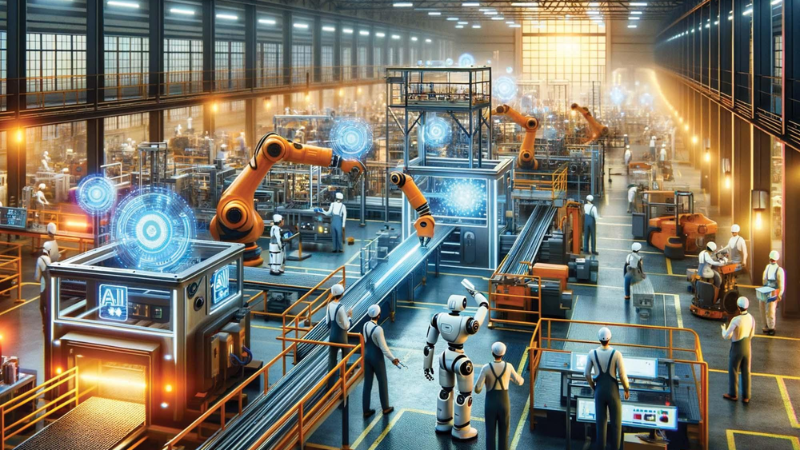
Several industries are expected to experience significant AI-driven transformation.
- Finance
- Healthcare
- Retail
- Marketing
- Education
New Jobs AI Will Create
New vocations are already forming, despite the possibility of certain jobs disappearing.
Examples include:
- Prompt Engineer for AI
- AI Instructor
- Expert in Machine Learning
- Consultant for AI Ethics
- Technician for Robotics
- A data scientist
- Product Manager for AI
- Consultant for Automation
- Analyst for cybersecurity
- Content Editor with AI
History demonstrates that, in addition to automation, every significant technical advancement generates completely new opportunities.
Skills That Will Stay Valuable
To remain competitive in an AI-powered workplace, workers should focus on skills that technology cannot easily replace.
These include:
- Critical thinking
- Problem-solving
- Creativity
- Leadership
- Communication
- Emotional intelligence
- Teamwork
- Decision-making
- Adaptability
- Digital literacy
Learning how to work alongside AI may become just as important as traditional technical skills.
Should You Be Worried?
Not necessarily.
AI is changing the way people work, but it isn’t replacing everyone.
Workers who continue learning, improve their digital skills, and adapt to new technologies are likely to benefit the most.
Instead of competing with AI, many professionals are learning how to use it to become faster, more productive, and more valuable.
How to Prepare for an AI Future
Here are some doable strategies for staying ahead:
- Find how AI tools operate.
- Develop your leadership and communication abilities.
- Continue to expand your technical expertise.
- Pay attention to innovative approaches to problem-solving.
- As industries change, remain adaptable.
- Enroll in online courses on automation and artificial intelligence.
Over the next ten years, one of the most important career abilities will be continuous learning.
Is AI Good or Bad for Jobs?
The answer depends on how it’s used.
AI can eliminate repetitive work, improve productivity, reduce errors, and create new industries.
At the same time, it may reduce demand for certain routine jobs, making reskilling increasingly important.
The future isn’t simply about humans versus AI—it’s about humans working with AI.
Conclusion
AI will undoubtedly reshape the job market by 2030, but it won’t replace every profession. Routine, repetitive, and predictable tasks are most likely to be automated, while careers built around creativity, empathy, leadership, and complex decision-making will continue to rely on human talent. The biggest advantage won’t belong to people who avoid AI it will belong to those who learn how to use it effectively and adapt as technology evolves.
FAQs
What jobs are safest from AI?
Careers that depend on creativity, leadership, empathy, critical thinking, and hands-on skills—such as nurses, psychologists, electricians, plumbers, managers, and artists—are considered less likely to be replaced.
Will AI create new jobs?
Yes. AI is already creating careers like AI engineers, prompt engineers, machine learning specialists, AI trainers, automation consultants, and AI ethics experts.
Should students worry about AI replacing their future careers?
Not necessarily. Students who continuously learn new skills, stay adaptable, and understand how to work with AI are likely to have more career opportunities in the future.
Can AI replace human decision-making?
AI can analyze large amounts of data and make recommendations, but important business, legal, medical, and ethical decisions still require human judgment.
Will AI affect small businesses?
Yes. AI helps small businesses automate customer service, marketing, inventory management, and administrative work, allowing owners to save time and reduce costs.
Is learning AI necessary for every career?
Not necessarily, but understanding how AI works and knowing how to use AI tools can give you a significant advantage in almost any profession.
Will AI replace freelancers?
AI may automate simple freelance tasks, but skilled freelancers who offer creativity, expertise, consulting, or personalized services will continue to find opportunities.